Healing Out Loud — The Blog
Trauma doesn’t disappear when we stop talking about it.
It hides in our sleep, our bodies, our nervous systems, our humor, our relationships, and the decisions we make every day.
This blog is where I talk about trauma openly — PTSD, CPTSD, medical trauma, rare disease, childhood trauma, survival strategies, trauma brain, dark humor, healing, and everything we were taught to keep quiet.
Read with humor.
Read with compassion.
Read knowing you’re not alone — not now, not ever.
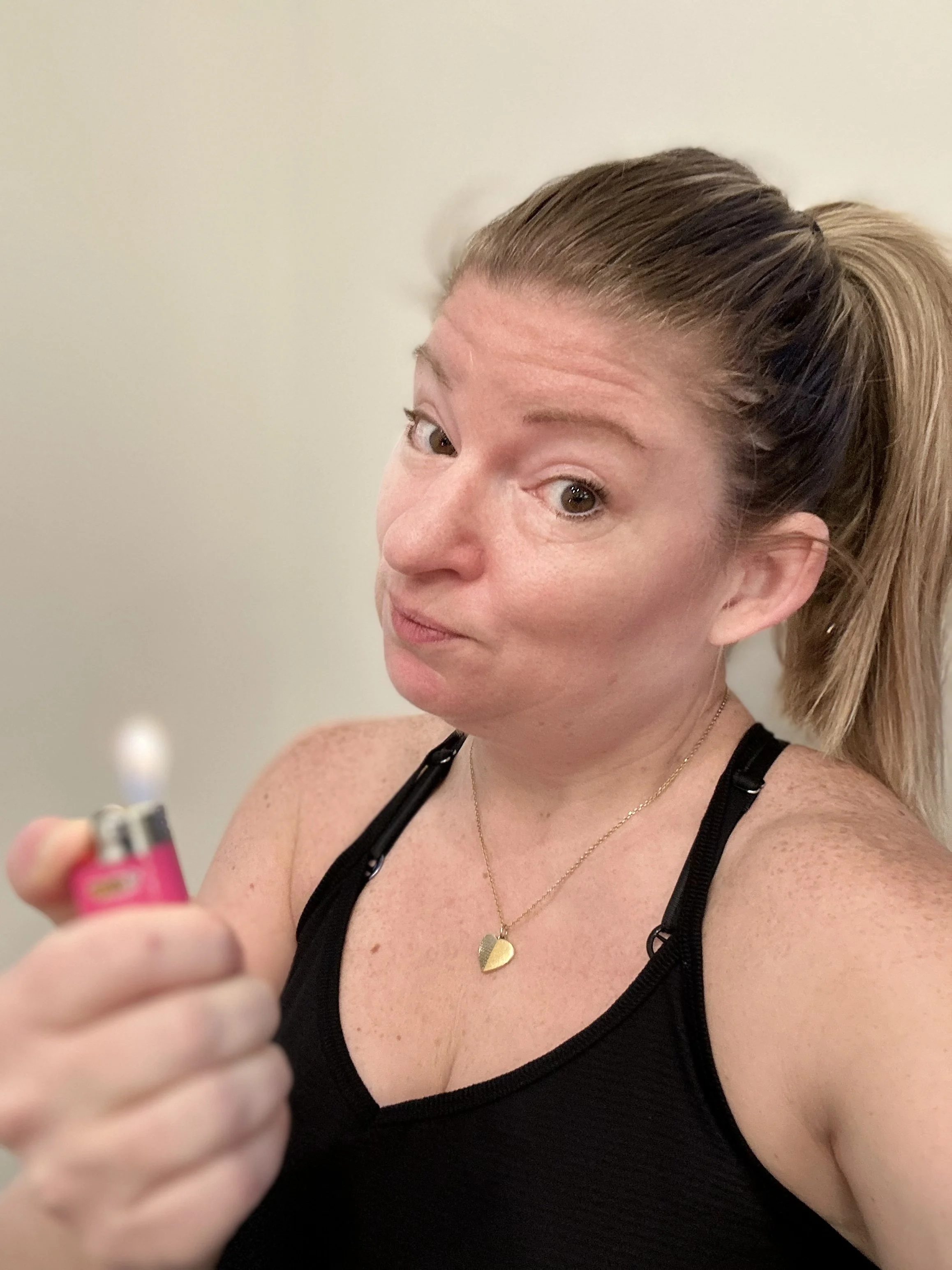
What Not to Say to Trauma Survivors: Lessons From a Week of Harmful Comments
Notes From Behind the Screen
I haven’t posted for a few days, and if you look at the website, you’ll see some changes. Two reasons for the break:
1. It was my husband’s birthday.
I love this man. He’s not just my husband — he’s my best friend, the best puppy/kitty daddy, my caretaker, my rock, my “I’m not gonna die today” security blanket. He carries more than any one human should ever have to carry, and he does it with love.
In past lives, I would’ve worked straight through his birthday.
This year, I stopped.
We celebrated him for days.
Because he deserves that.
And so do you.
You deserve love without earning it, joy without guilt, celebration without productivity.
2. I needed a minute to process the stupid shit people have said to me this week.
Let’s review:
Someone told me I “need to heal.”
As if I’ve been living in CPTSD/medical trauma land for recreational purposes.
Sure, Chad. Let me put my shoes on and get right on that.
Then I overheard a veteran explain why a friend “didn’t really have PTSD” because he wasn’t in combat.
Hate to burst your pearl-clutched bubble, but you don’t need a uniform to have PTSD.
Life is more than capable of traumatizing you without military assistance.
And then — the showstopper — a therapist told me that when she worked with vets, they were all “strong and funny,” as if that’s relevant to my life.
That’s not relating.
That’s making me invisible in my own damn story.
She also told me I should “feel grateful” my diagnosis only took two years.
I was TEN.
I thought I was going to die.
Tell me again how grateful I should feel about that.
Here’s the truth:
People say harmful things because they’re uncomfortable, uninformed, or trying too hard to relate.
But harm is harm.
And hey — you might not know you’re being a dick when you say this stuff. If that’s the case, follow along. I’m going to teach you what to say instead.
Because as I sit here looking civilized at my kitchen bar with my coffee and my laptop, I’m telling you right now:
**This shit has to stop.
Now.**
I’m done letting these comments slide.
I’m done letting people erase trauma survivors because they don’t know better.
I’m done pretending these tiny cuts don’t bleed.
From here forward, we’re burning the systems down — the ones that taught people these comments were acceptable.
We’re talking about:
what not to say
what to say instead
how to show up for trauma survivors with compassion instead of cluelessness
and how “I don’t know what to say” is sometimes the most trauma-informed thing you can say
If you’re nodding along, grab your torch.
We ride at dawn.
If this makes you uncomfortable, buckle up — education is coming. Please listen. I implore you for all the trauma thrivers in your life and statistically speaking, there’s at least one.
Let me say it louder for the people in the back:
This shit has to stop.
And I’m going to show you how.
Welcome to the Traumaverse.

Saturday Morning Conversations With My Trauma Brain
It all begins with an idea.
November 7, 2025
If you have a trauma brain, you already know mornings can get weird.
There you are, minding your own business, trying to sleep, and suddenly:
Trauma Brain: It’s early. Want to sleep in or want to think about your trauma?
Also Trauma Brain: Trauma! Trauma! Trauma! So much easier than sleeping!
Cool cool cool. Love that for us.
Once I’m awake:
Trauma Brain: Now that we’re up, go drink a whole pot of coffee by yourself. Feeling relaxed is suspicious. We need to be AMPED and prepared to fight off any attacker, tiger, memory, or mild inconvenience.
Then, once the caffeine hits:
Trauma Brain: Time to gooooo. Go go go. If we stay in motion and anticipate everyone’s needs, maybe no one will be mad at us, and maybe our body will stop attacking itself. Safety first. Hustle second. Sleep never.
If I try to sit down?
Trauma Brain: Cool. Here is every bad thing that has ever happened. Chronologically. With unnecessary detail. You’re welcome.
Want to leave the house and do something fun?
Trauma Brain: Let’s think about everything that could go wrong, will go wrong, and definitely has gone wrong. Especially if you have medical trauma or chronic illness. Nothing says “good times” like worst-case scenario planning!
And listen—I make jokes, but this is real.
Trauma brains are loud.
Trauma brains are exhausting.
Trauma brains are trying to keep us safe, but sometimes they just keep us stuck.
Here’s what helps me take back control:
1. Noticing the thoughts
A thought is just a thought.
Not a prediction.
Not a prophecy.
Not a command.
Trauma thoughts feel sharp and pointy, because traumatic memories are stored that way—loud and urgent. It doesn’t mean they’re true.
2. Controlling what I can control
My chronic illness (CIDP) and medical trauma mean my body has limits. Some days I cancel plans. Some days I rally. Some days I rest.
I can’t control my whole nervous system, but I can control how I talk to myself about it, how I prepare, how I rest, and how I support my future self.
3. Humor
Sometimes all you can do is laugh.
We joke about #walkingprivilege in my house because I’ve spent a lifetime fighting a body that doesn’t always cooperate. Humor doesn’t erase trauma, but it makes living with it a tiny bit easier.
4. Setting myself up for sleep
Sleep is survival. And if it’s complicated? Fine. Let it be complicated. I try. I forgive myself when it’s hard.
5. Coming back to the present
Trauma brain wants to drag us backward.
“It is what it is” brings us back to now.
Now is where healing happens.
6. Talking about it
For most of my life, I didn’t speak about my trauma.
Not to friends, not to doctors, not to anyone.
Silence kept me alive once.
Silence kept me stuck later.
The minute I started talking—really talking—everything changed.
You don’t have to tell the whole internet your story.
You don’t have to be brave every day.
But you don’t have to be silent anymore.
Trauma can feel like a lot, but you’re not alone.
I’m here.
And my podcast is coming soon, full of real survivors and real stories, so you can hear proof that it isn’t just you.
Because it’s not.
You are not weak. You are not broken. And you are not alone.
If your trauma brain wakes up before you do, I see you.
You don’t have to heal alone anymore.
Join the email list for new posts, survivor stories, and updates on the podcast.